Global Beverage Operations
A co-packing plant was moving production data by hand because its ERP had no API or usable documentation. We built around the existing system and put the new workflow into production in under a week.
The plant's estimate of time previously spent moving figures between email, phone, spreadsheets, and the ERP.
On a custom ERP with no API, documentation, or supported extraction path.
No migration, vendor involvement, or software installed inside the plant's infrastructure.
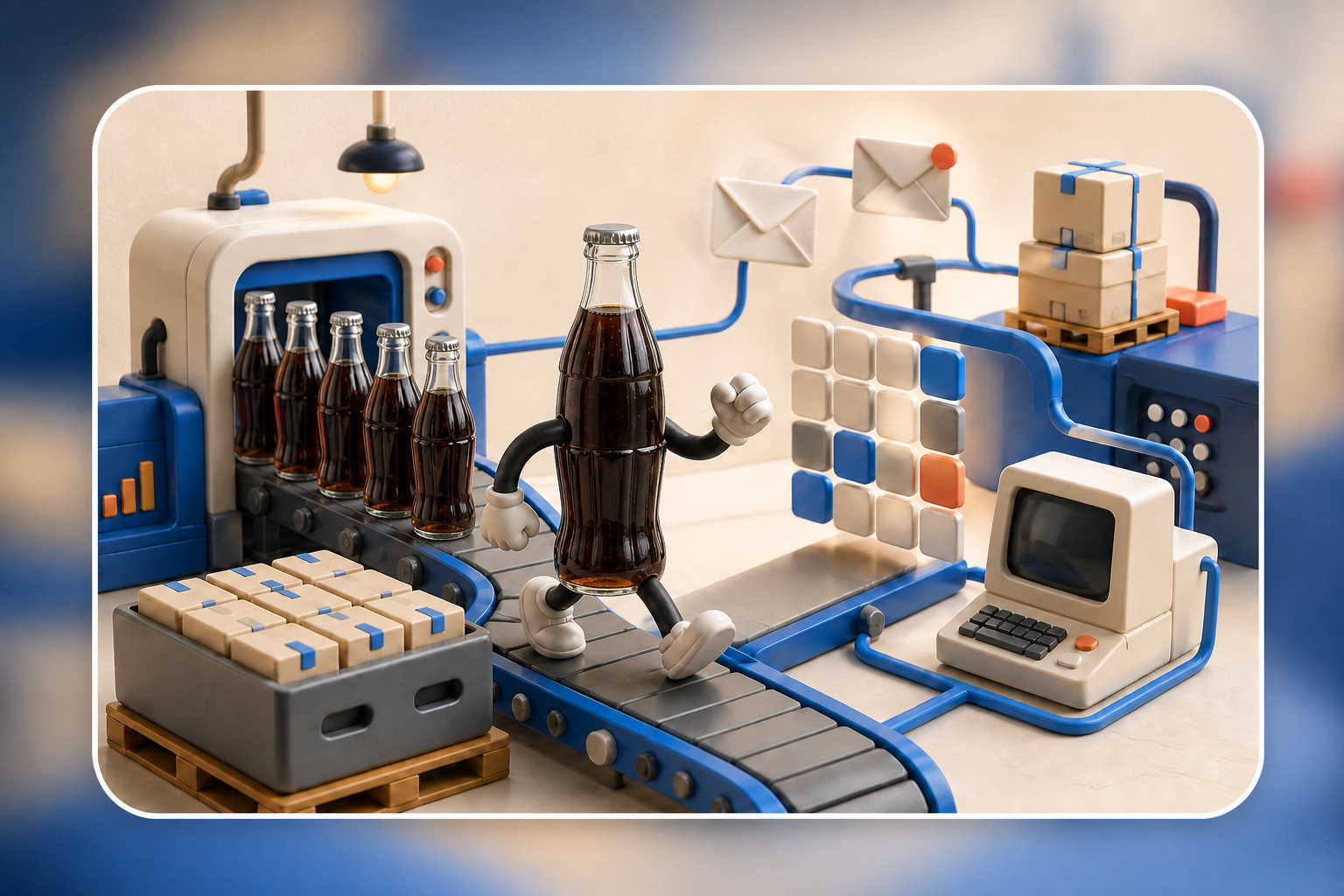
Built around the systems the team already had.
- Sector
- Food and beverage co-packing
- Company
- Mid-market manufacturer
- System of record
- Customer-brand custom ERP
- Also connected
- Email and operational spreadsheets
- Users
- Production management and plant administration
- Status
- In production, paying customer
The plant couldn't change the ERP
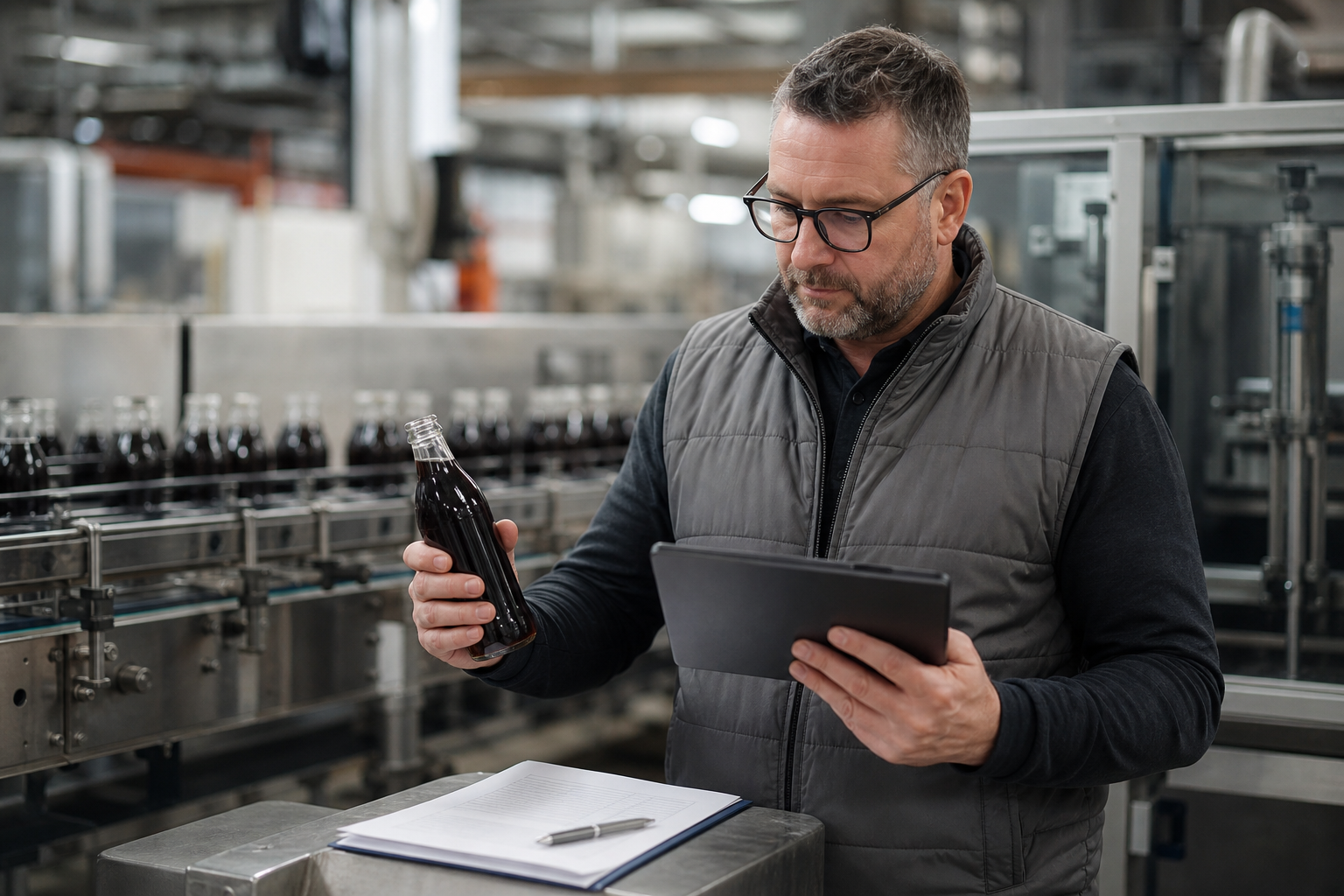
The plant produces and packages drinks for a global beverage multinational. Production runs on the brand's custom ERP, which the plant doesn't control.
There was no vendor to commission and no migration on the table. The ERP had been built in-house years earlier, its original owners had moved on and no useful documentation remained. Employees could only reach the data through the interface they used each day.
Thirty hours lost between systems
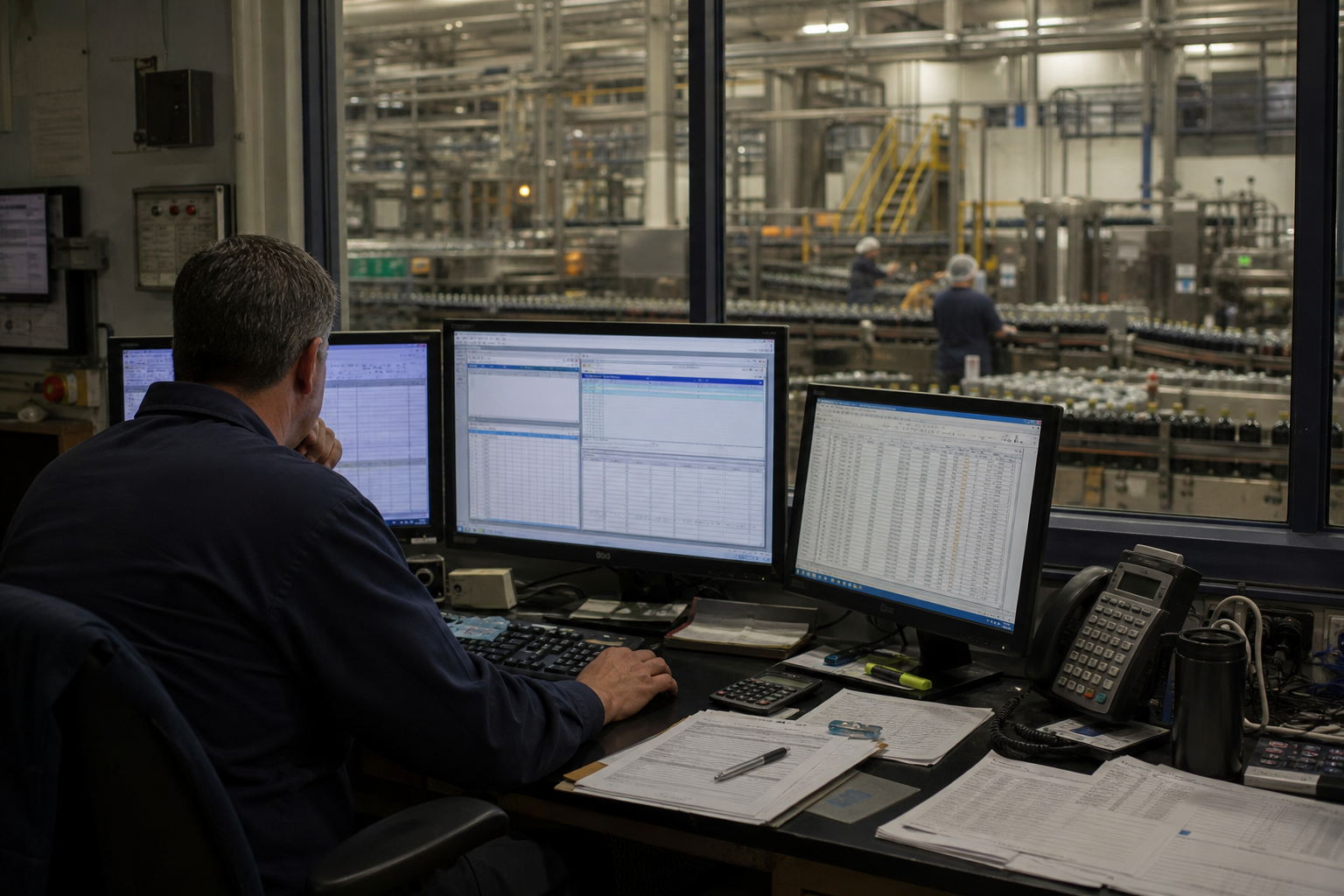
Production figures arrived by email and phone, then landed in a spreadsheet for reconciliation. Someone typed the result into the ERP, rebuilt the morning report and answered questions about batches or pallets because they were the only practical interface to the data.
The plant estimated that every production manager spent around 30 hours a week on this work. Making the copying slightly faster wouldn't solve it, so we removed most of the copying.
Five days from mapping to production
On day one we watched people use the ERP and traced how its interface reached the underlying data. Reads and writes were mapped separately from the start.
Over the next three days, we connected read-only questions before allowing approved actions. We brought email and the plant's spreadsheets into the same workflow because much of the reconciliation happened outside the ERP.
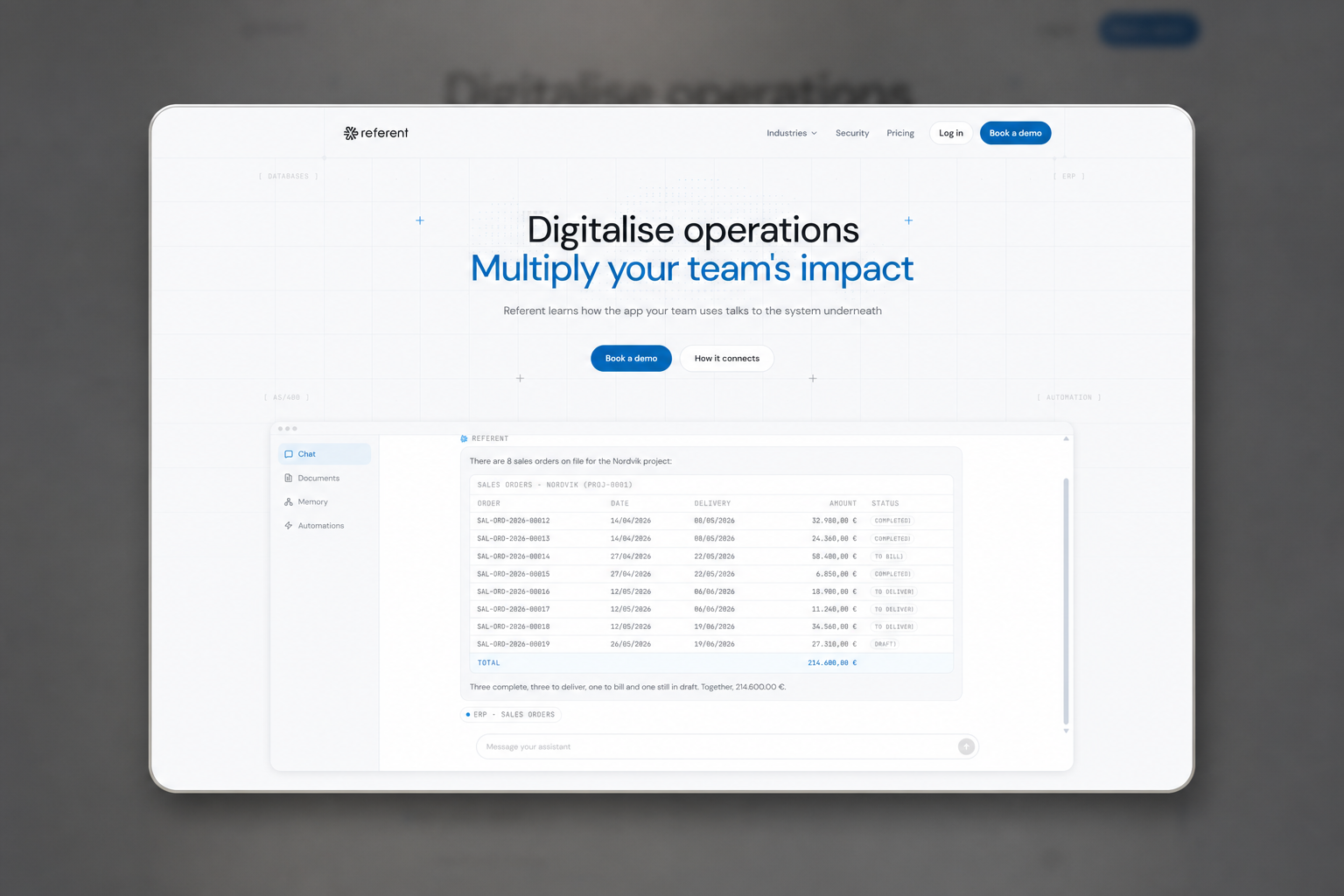
The system went live on day five. Managers could ask questions from the chat tool they already used and see the source attached to every figure. In week two, we expanded into the tasks causing the most friction.
This wasn't screen-recorded RPA. We connected through the data layer used by the existing interface, so moving a button wouldn't break a recorded sequence of clicks.
The morning export now runs itself
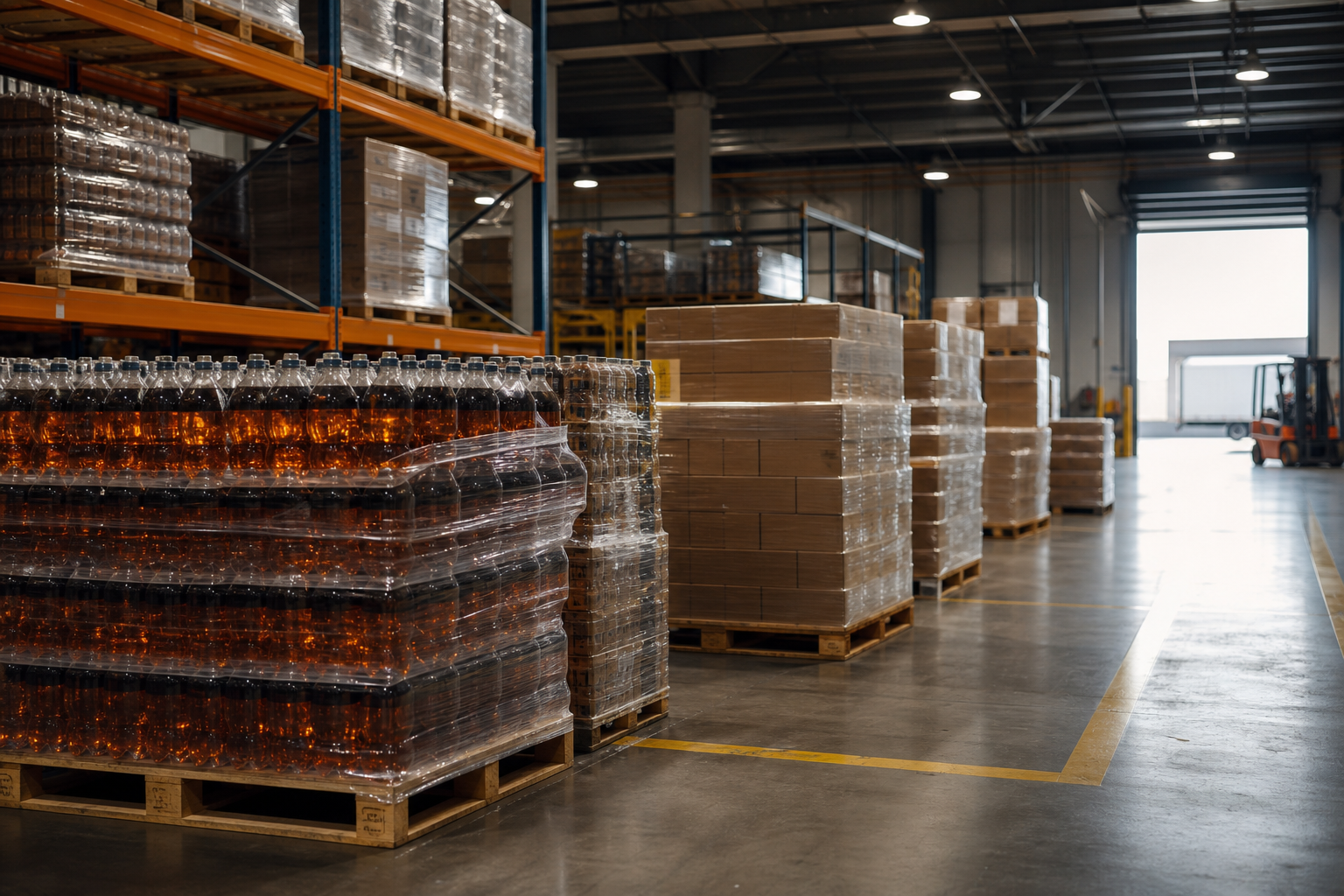
Questions that interrupted a manager's morning could now be answered in seconds. The daily export arrived automatically in the format the plant already used.
For approved operations, the system could perform the work and write the result back. The process no longer depended on one person remembering where every number came from.
The handoffs were the expensive part
A single lookup took only a few minutes. Making that lookup instant would not explain 30 hours a week.
Email, spreadsheets and an ERP that couldn't be queried had turned each answer into a chain of handoffs. Once managers could ask the connected system directly, most of that data carrying stopped.
What we are not claiming
This is one production deployment, not a market study or an industry average. The hours are the plant's estimate of the work before deployment, not an instrumented measurement.
The global beverage multinational whose ERP runs the plant is not our customer. Our customer is the co-packer operating on that system. Its name and a live reference are available on request.
Live, paying customer. Name and reference available on request.
What is your team still moving by hand?
Tell us where the data gets stuck. We'll map the systems and define the shortest useful route into production.